Nepal
Nepal Tour Packages
Himalayas, Harmony & You
Send Us An Enquiry
Overview
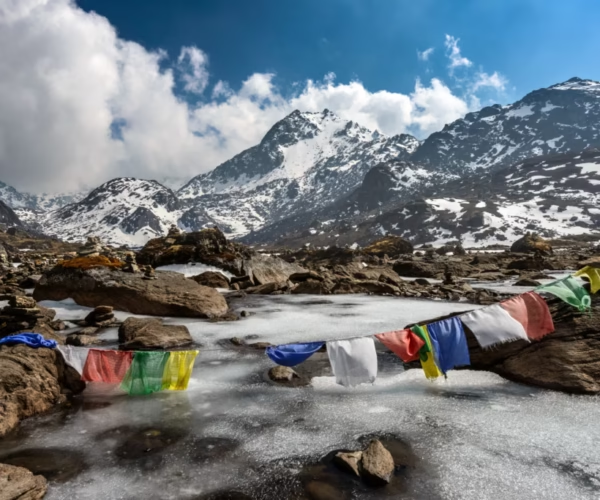
Nepal, nestled in the heart of the Himalayas, is a spectacular destination known for its towering peaks, rich cultural heritage, and diverse landscapes. Home to eight of the world’s fourteen highest mountains, including Mount Everest, it attracts trekkers and adventure seekers from around the globe, while serene lakes like Phewa in Pokhara and lush jungles in Chitwan add to its natural charm. The Kathmandu Valley, with its ancient temples and UNESCO World Heritage Sites, reflects centuries of history shaped by dynasties such as the Mallas and Shahs, and the country’s deep spiritual roots in Hinduism and Buddhism—Nepal being the birthplace of Lord Buddha—give it a unique cultural depth. From Everest Base Camp treks and Annapurna trails to peaceful monastery visits and wildlife safaris, Nepal offers an unforgettable blend of adventure, spirituality, and timeless beauty.
Kathmandu: Cultural Heart of Nepal
Kathmandu, the capital city of Nepal, serves as the main gateway for travelers entering this Himalayan nation. Rich in history, spirituality, and architecture, the city blends ancient traditions with vibrant local life, making it an essential stop in any Nepal itinerary.
Key Attractions:
-
Kathmandu Durbar Square: A UNESCO World Heritage Site showcasing historic palaces, temples, and courtyards reflecting the artistry of the Malla kings.
-
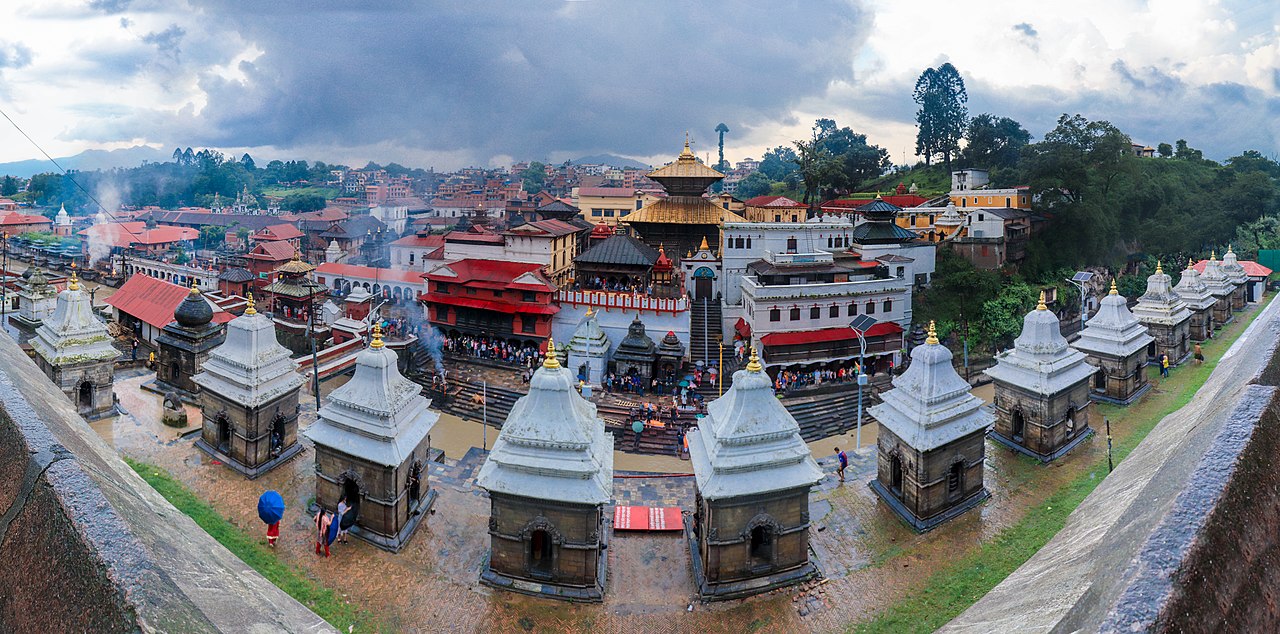
Pashupatinath Temple: One of the holiest Hindu temples dedicated to Lord Shiva, located along the sacred Bagmati River.
-
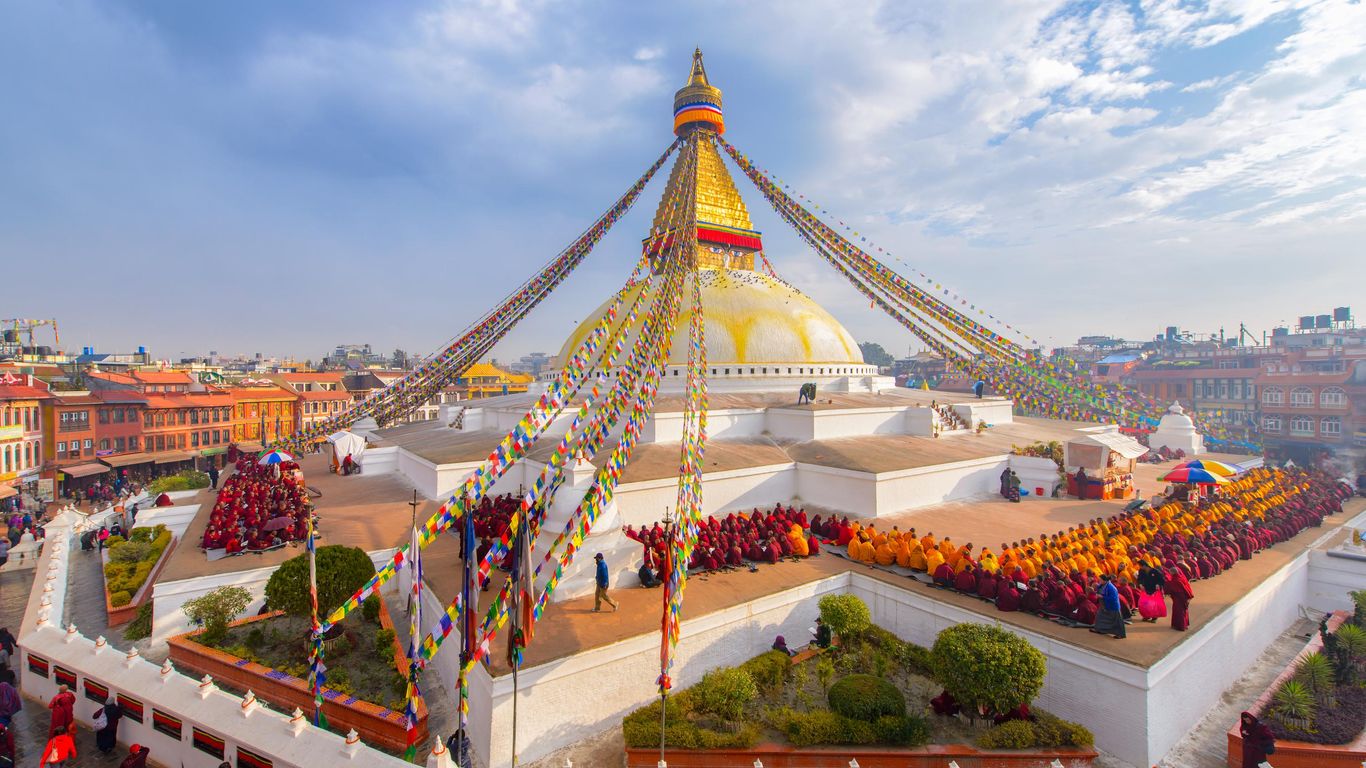
Boudhanath Stupa: One of the largest Buddhist stupas in the world and a major pilgrimage site surrounded by monasteries.
-
Swayambhunath (Monkey Temple): Perched atop a hill, this iconic stupa offers panoramic views of Kathmandu Valley.
Pokhara: The Scenic Escape
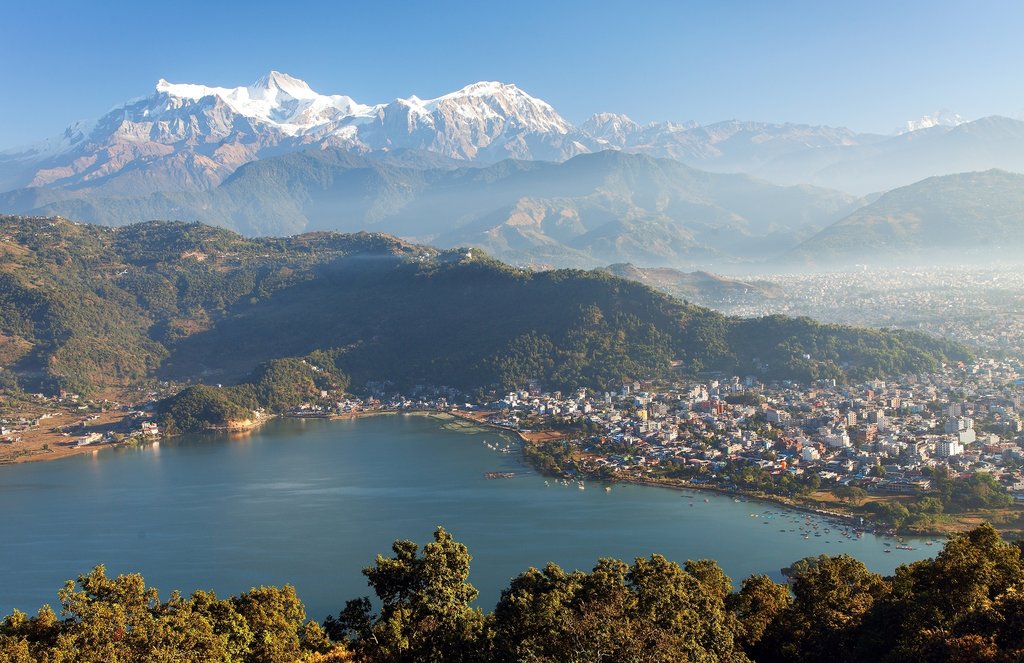
Pokhara is Nepal’s most picturesque city, known for its tranquil lakes, adventure activities, and breathtaking views of the Annapurna range. It is the starting point for many famous treks and a paradise for nature lovers.
Key Attractions:
-
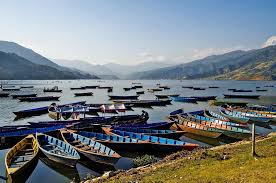
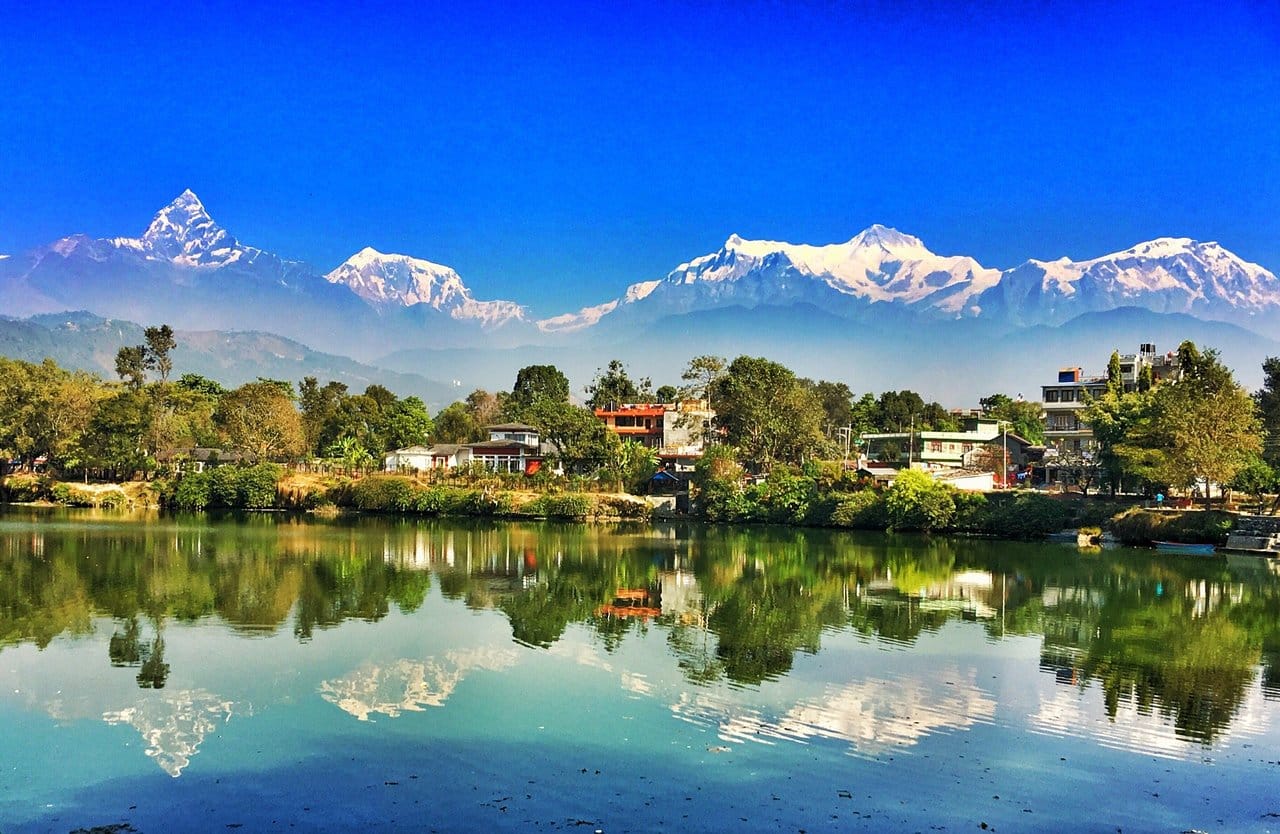
Phewa Lake: A serene lake offering boating experiences with reflections of the Annapurna mountains.
-
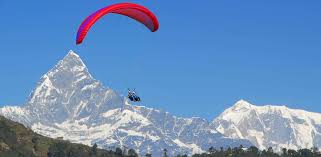
Sarangkot: Famous for sunrise views over the Himalayas and paragliding adventures.
-
Davis Falls: A unique waterfall that disappears into an underground tunnel.
-
World Peace Pagoda: A hilltop stupa offering spectacular views of Pokhara and the surrounding peaks.
CHITWAN NATIONAL PARK: WILDLIFE ADVENTURE
Located in southern Nepal, Chitwan National Park offers a completely different experience from the mountains. This UNESCO-listed park is known for its rich biodiversity and jungle adventures.
Key Attractions:
-
Jeep & Elephant Safaris: Spot one-horned rhinoceros, Bengal tigers, deer, and exotic birds.
-
Canoe Rides on Rapti River: A peaceful way to observe crocodiles and aquatic wildlife.
-
Tharu Cultural Experience: Learn about the indigenous Tharu community through traditional dance and village tours.
Everest Region: Ultimate Himalayan Experience
The Everest region is Nepal’s crown jewel for trekkers and mountaineers, offering dramatic landscapes and a once-in-a-lifetime adventure.
Key Attractions:
-
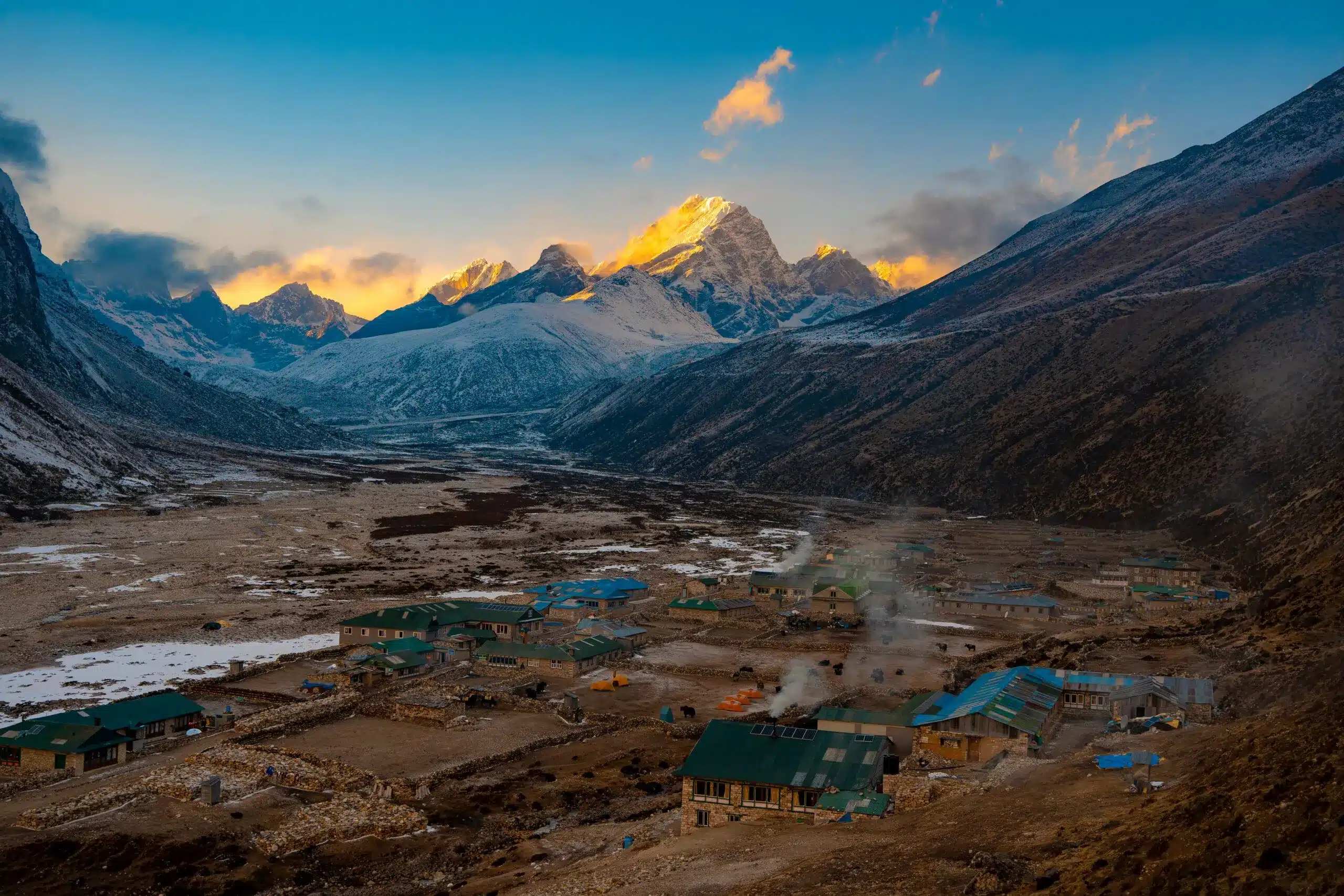
Everest Base Camp Trek: A bucket-list journey through Sherpa villages and high-altitude trails.
-
Namche Bazaar: A vibrant mountain town and acclimatization stop for trekkers.
-
Tengboche Monastery: A serene monastery set against a backdrop of snow-capped peaks.
-
Mount Everest Views: Witness the world’s highest peak in all its glory.
Nepal Through The Seasons:
The best time to visit Nepal is from October to May, when the weather is most pleasant and skies are generally clear. Autumn (October–November) offers crystal-clear mountain views and stable trekking conditions, making it the peak season for Everest and Annapurna regions. Spring (March–May) is equally popular, with blooming rhododendrons, moderate temperatures, and excellent trekking visibility. Winter (December–February) is quieter and ideal for cultural tours, wildlife safaris in Chitwan, and lower-altitude treks, though higher regions can be cold. The monsoon season (June–September) brings lush landscapes and fewer crowds but includes heavy rainfall, especially in trekking areas. Overall, autumn and spring are considered the most favorable seasons for experiencing Nepal’s mountains, culture, and outdoor adventures at their best.
Getting There
By Air:
Tribhuvan International Airport (KTM), Kathmandu is the main international gateway to Nepal and the most convenient entry point for most travelers. It is well connected to major cities in India, the Middle East, and Southeast Asia. Kathmandu is centrally located for accessing Pokhara, Chitwan, Nagarkot, and the Everest region by road or domestic flights.
Other Options:
-
Pokhara International Airport (PKR): Ideal for travelers heading directly to the Annapurna region, Phewa Lake, and adventure activities like paragliding.
-
Bharatpur Airport (BHR): Convenient for visiting Chitwan National Park.
-
Bhairahawa (Gautam Buddha International Airport – BWA): Best entry point for Lumbini, the birthplace of Lord Buddha.
By Road & Rail:
Nepal is accessible by road from several Indian border points including Raxaul–Birgunj, Sunauli–Bhairahawa, and Panitanki–Kakarbhitta. Regular buses and private vehicles operate between major Indian cities and Kathmandu or Pokhara.
Nepal does not have an extensive railway network for tourism, but it is well connected by road with tourist buses, private transfers, and domestic flights linking major destinations.
Stay and Dining
Nepal offers a diverse range of accommodations—from cozy mountain lodges and boutique heritage hotels to luxury resorts and jungle retreats. Whether you prefer waking up to Himalayan views in Pokhara, staying in a heritage courtyard in Kathmandu, or relaxing at a jungle lodge in Chitwan, Nepal has something for every traveler.
Homestays:
Experience authentic Nepali hospitality in traditional villages, especially in trekking regions and rural communities, with home-cooked meals and cultural interaction.
Mountain Lodges & Tea Houses:
Popular along trekking routes like Everest and Annapurna, offering simple yet comfortable stays with stunning mountain backdrops.
Luxury Resorts:
Find premium lakeside resorts in Pokhara, heritage hotels in Kathmandu, and wildlife lodges in Chitwan offering spa services, yoga sessions, and fine dining.
Boutique & Heritage Hotels:
Stay in restored Newari-style properties in Kathmandu, Bhaktapur, and Patan that blend traditional architecture with modern comforts.
Dining
Nepali cuisine is a comforting blend of Himalayan flavors influenced by Tibetan and Indian traditions.
Traditional Nepali Meal (Dal Bhat):
A staple dish served with rice, lentil soup, seasonal vegetables, pickles, and meat curries—simple, nourishing, and widely available.
Momos:
Nepal’s favorite dumplings, steamed or fried, filled with vegetables or meat and served with spicy chutney.
Thakali Cuisine:
A popular regional meal known for its balanced flavors and variety of side dishes.
Street Food:
Enjoy chatpate (spicy puffed rice), sel roti (traditional rice doughnut), and fresh momos in local markets.
Tea & Coffee:
Sip Himalayan herbal teas or enjoy freshly brewed coffee in cozy cafés in Thamel and Lakeside Pokhara.
Wellness & Organic Dining:
Many retreats and yoga centers offer organic, vegetarian, and wellness-focused meals ideal for travelers seeking mindful nourishment.
Gallery
Frequently Asked Questions (FAQ’s)
Domestic Destinations



International Destinations